A parcel leaves the hub in the morning. By evening, the customer says it never arrived. The rider says it was delivered. The control room has no photo, no signature and no clue where the rider was at the time. Meanwhile the cash collected on delivery is a few hundred rupees short, and nobody can say which parcel it belongs to. Every courier and delivery operator knows this story. The last mile, from the local hub to the customer's door, is the most expensive and least visible part of a delivery. This guide explains how rider tracking, proof of delivery, failed-delivery handling and cash-on-delivery (COD) reconciliation work together to reduce disputes and losses.
Why the last mile is hard to manage
- Many stops, low value each. A rider may make 60 to 100 drops a day. Small errors multiply.
- Unsupervised work. The rider is alone on the road. The control room depends on calls.
- Customer not available. Failed attempts waste a trip and cause complaints.
- Address problems. Incomplete addresses and missing landmarks slow deliveries.
- Cash. COD means riders handle money, which brings risk, delay and reconciliation work.
- Disputes. "Not delivered", "wrong item", "damaged" and "I paid already" need evidence.
Why COD still matters in India
Online payments have grown, but cash on delivery is far from gone. Logistics technology firm ClickPost, analysing more than 635 million orders from January 2024 to November 2025, reported that prepaid orders rose to 41 percent of orders in 2025 from 32 percent a year earlier. By city tier, the prepaid share was 46 percent in metros, 40 percent in tier II cities and 34.5 percent in tier III cities. That means a large share of orders, especially outside metros, is still not prepaid, and many of those are handled through cash on delivery or payment at the door. The report does not state COD percentages directly, so treat the remainder as an indication, not an exact COD figure. For delivery operators, handling cash and payments at the door properly remains important.
Four building blocks of better last-mile control
1. Rider tracking
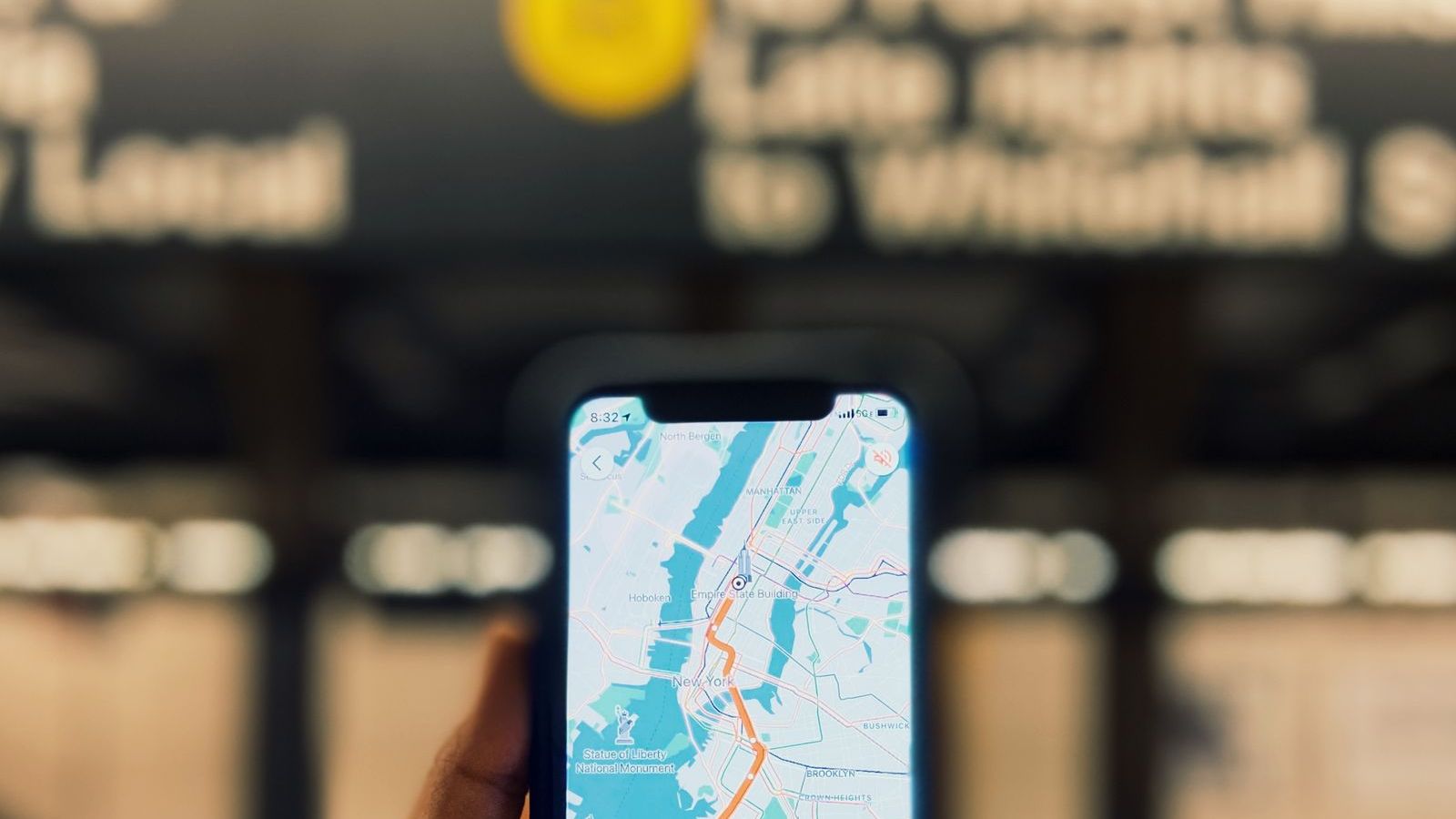
A live map of riders and vans lets the control room see progress, answer "where is my parcel?" without calling, and re-assign work when a rider is delayed. See live GPS tracking software.
- Show status: not started, on route, at stop, returning.
- Keep a route trail for dispute resolution.
- Alert on long idle times or deviations from the plan.
2. Route planning
A sensible order of stops reduces distance and time. The app should open turn-by-turn navigation to each address in one tap. See route optimisation software.
3. Proof of delivery (POD)
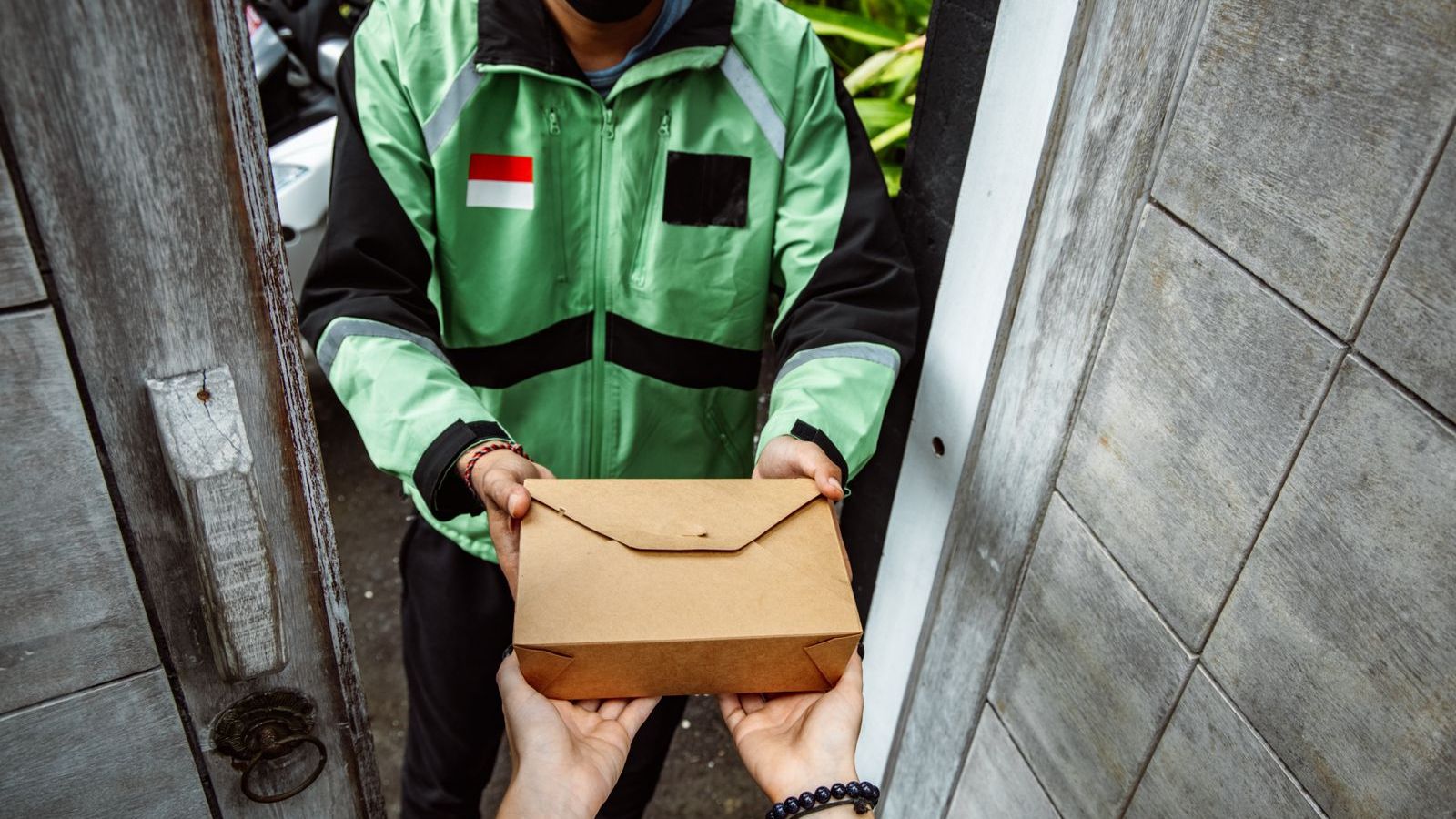
Proof turns a claim into a record. Options include:
- OTP sent to the customer and entered by the rider at the door
- E-signature on the phone
- Doorstep photo with time and location
- Barcode or QR scan of the parcel
Make proof mandatory before a stop can close, and choose the type by parcel value and risk. See proof of visit software. It should work offline and sync later. See offline guide.
4. Failed-delivery handling
Not every attempt succeeds. A good process captures:
- A reason code: customer not available, address wrong, refused, shop closed, access issue
- A photo or note as evidence of the attempt
- Automatic rescheduling or return instructions
- Attempt count to apply your policy
Reason codes also tell you why deliveries fail. If "address wrong" dominates for one customer, fix the address data at source.
COD reconciliation: closing the money gap
Cash collected by riders passes through several steps before it reaches the bank. Gaps appear when records are on paper, or when reconciliation happens days later.
- Record per parcel. The rider logs the amount and mode (cash, UPI, card) at the door.
- Tally per rider, per shift. The system totals what the rider should hold.
- Deposit and match. At the hub, cash handed over is matched to the system total.
- Resolve differences the same day, while memories are fresh.
- Post to accounts. Settled parcels and amounts flow to finance.
Controls that help: set deposit deadlines, encourage digital payment where possible, rotate riders across areas and review a sample of parcels against POD. For wider collection practices, see field collection management software.
What to measure
| Measure | Why |
|---|---|
| First-attempt delivery rate | Shows address quality, customer availability and planning |
| On-time delivery rate | Customer experience and SLA performance |
| Failed-delivery reasons | Points to root causes |
| POD completion rate | How much of your delivery data is verifiable |
| Disputes per 1,000 deliveries | Shows whether evidence is working |
| COD collected versus deposited, and delay | Cash leakage and risk |
| Deliveries per rider per day and distance per drop | Productivity and route quality |
See 12 KPIs every sales and operations manager should track.
Common mistakes
- Optional proof. If proof can be skipped, it will be skipped when riders are rushed.
- Reconciling too late. Next-week reconciliation catches errors but not causes.
- No reason codes. Without them, you cannot fix failures.
- Ignoring weak network. A POD that fails in a basement stops the rider.
- Blaming riders for system problems like poor addresses and unrealistic loads.
- Tracking without telling riders. Explain what is tracked and why, and limit it to shifts. Take legal advice under India's Digital Personal Data Protection Act, 2023.
Where FieldExecutives fits
FieldExecutives is field force management software with a delivery workflow. Riders get stops in a suggested order, navigate in one tap and capture OTP, e-signature and a doorstep photo before a stop can close, even without signal. Failed attempts capture a reason code. Cash collected is logged per parcel and tallied against the rider at end of shift. The control room watches every rider on one live map. See the logistics solution page, the features or pricing.
Losing time and money in the last mile? Book a demo and we will walk through a rider's day, from first stop to cash tally.