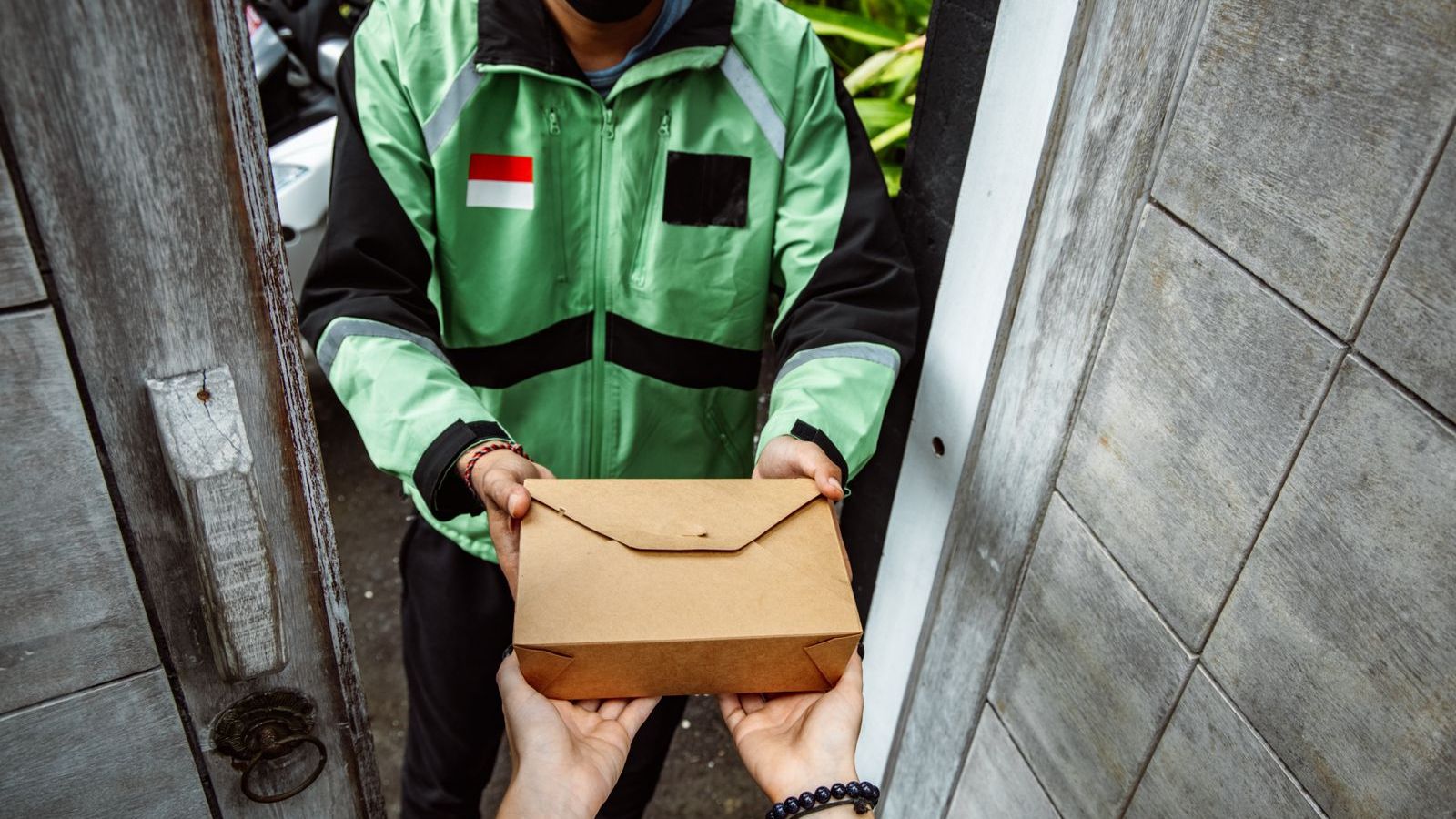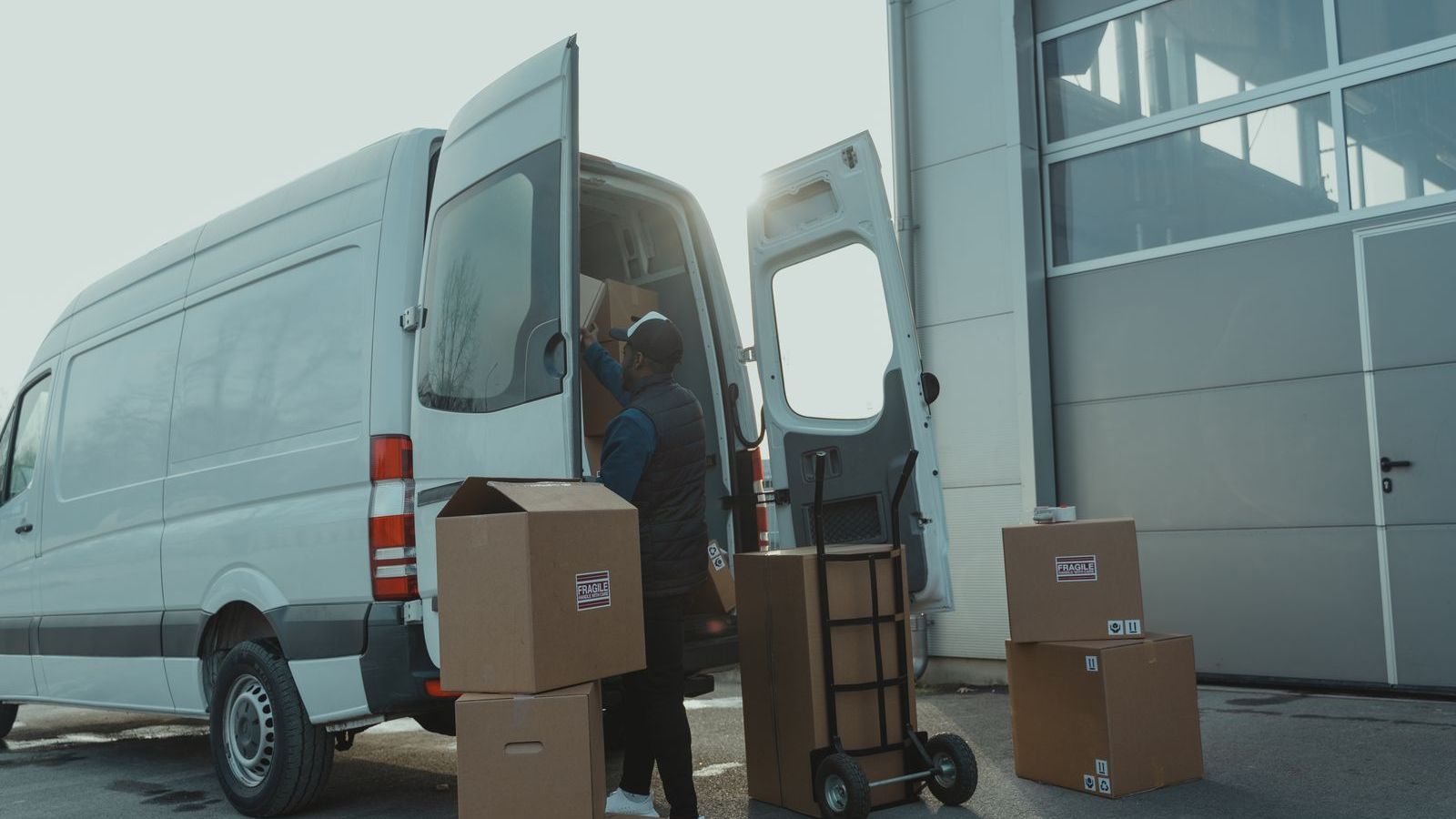
In delivery, the money is lost in small places: a wasted trip to a closed shop, a parcel the customer says never came, a few hundred rupees missing from the cash a rider hands in. None is big alone. Across 50 riders and 80 drops a day they add up.
This article shows how courier and logistics teams can run a shift on FieldExecutives, and where gains can come from. For a deeper look at the practice, read last-mile delivery management.
Where time and money leak today
- Failed attempts with no clear reason, so the same failures repeat.
- "Not delivered" disputes with no proof either way.
- Riders take their own routes and backtrack.
- Cash on delivery is recorded on paper and reconciled days later.
- Control rooms answer "where is my parcel?" by phoning the rider.
- Finance spends days matching cash to parcels.
How FieldExecutives fits into a rider's day
Here is the workflow, step by step, with the features used at each point.
1. Shift start
The rider punches in at the hub and the day's stops load, with addresses, parcels and COD amounts.
Features used: GPS punch-in on server time, geofencing, daily manifest on the phone.
2. Route and navigation
The app suggests an order of stops to reduce backtracking. The control room sees every rider on one map.
Features used: AI route optimisation, route and next-stop view, one-tap navigation, live map.
3. At the door
Proof is captured before a stop can close, even without signal, so a disputed delivery has a record.
Features used: OTP, e-signature and doorstep photo proof, offline-first capture.
4. Failed attempts
If the customer is not available, the rider logs a reason code and the parcel is rescheduled. Over time, reasons show the biggest causes of failure.
Features used: Reason codes, photos and notes, automatic rescheduling.
5. Cash and close
Cash collected is logged per parcel and tallied against the rider at end of shift, so differences are handled the same day. See field collection management software.
Features used: COD logged per parcel, tally against the rider, expenses.
Use cases
Dispute resolution
OTP, signature and photo records settle "not received" claims quickly, in both directions.
Fixing failure causes
Reason codes show whether failures come from addresses, customer availability or planning, so fixes target the real cause.
Control-room visibility
Dispatchers answer customer queries from the live map and can reassign stops from a delayed rider.
Same-day cash reconciliation
Per-parcel COD entries and end-of-shift tallies shrink the gap between cash collected and cash recorded.
Rider productivity review
Drops per rider, distance per drop and on-time rates support fair coaching.
Where the savings and productivity gains can come from
These are the places to look for gains. They are not guaranteed results. Every business starts from a different baseline, so record your own numbers for two to four weeks before you start. Our guide to calculating the ROI of field force management software shows how.
| Area | What to measure | How the software helps |
|---|---|---|
| Failed attempts | Failed deliveries per 100 drops | Reason codes, rescheduling and better route and time-window planning |
| Disputes | Disputed deliveries per 1,000 drops | OTP, signature and photo proof on every stop |
| Cash differences | COD collected versus recorded and deposited | Per-parcel entries and same-day tally per rider |
| Distance and time | Kilometres and minutes per drop | Suggested stop order and navigation |
| Finance effort | Hours spent on cash and parcel matching | Records already matched by rider and shift |
| Control-room calls | Status calls per day | Live map and status per rider |
What to measure in the first 90 days
- First-attempt delivery rate and on-time rate
- Failed-delivery reasons by category
- Proof completion rate and disputes per 1,000 drops
- COD collected versus deposited, and delay in deposit
- Drops and distance per rider per day
For definitions and more measures, see 12 KPIs every sales and operations manager should track.
Getting started
- Define reason codes and proof rules by parcel type or value.
- Load a week of stops for one hub and a few riders.
- Test OTP, signature and photo capture offline in a weak-coverage area.
- Run end-of-shift cash tallies for two weeks and review differences daily.
- Expand hub by hub after reviewing failed-attempt reasons.
A full week-by-week plan is in how to implement field force management software in 30 days. Location and attendance data about employees is personal data, so tell your team what is tracked and why, and take legal advice on your policy under India's Digital Personal Data Protection Act, 2023.
Related reading
- Last-mile delivery management: tracking, proof of delivery and COD
- Route optimisation software
- Proof of visit software
- Live GPS tracking software for field employees
Where FieldExecutives fits
FieldExecutives is field force management software built for Indian teams. For delivery teams it covers GPS attendance, suggested stop order, OTP, e-signature and photo proof, reason codes for failed attempts, per-parcel COD tallies, a live control-room map and offline capture. The mobile app works offline and syncs when the network returns, and managers and admins work on the same live data. See the logistics solution page, the features and pricing.
Losing money in the last mile? Book a demo and we will walk through a rider's shift from manifest to cash tally.